
Can IoT make buildings smarter and improve thermal comfort?
The Internet of Things (IoT) has been making waves in the technology sector for a few years now. IoT enabled devices allow us to build toward the creation of a ‘smarter’ society. Many believe that connecting everyday items through the internet for real-time communication is the wave of the future.
That’s what many people also say about renewable sources of energy, like solar power. As the world continues to deplete its finite fossil fuel supply, we have to turn our attention to natural sources of power. But can IoT combine with solar power to create a truly integrated smart and renewable technology? And can this unprecedented partnership bring us closer to smart buildings and smart cities?
What is IoT?
IoT is an interrelated system of mechanical and digital machines computing information via individual IP addresses to speak with other machines in real time. IoT connected devices can transfer data through a connected network without human interaction.
With IoT technology, someone with a pacemaker could have their vitals relayed to a network at all times, alerting medical personnel should it suddenly encounter a malfunction. The possibilities of such technology are boundless, as is its profitability. Cumulative revenue encompassing both residential and commercial applications of IoT products and services is reported to reach upwards of $750 billion by 2025.
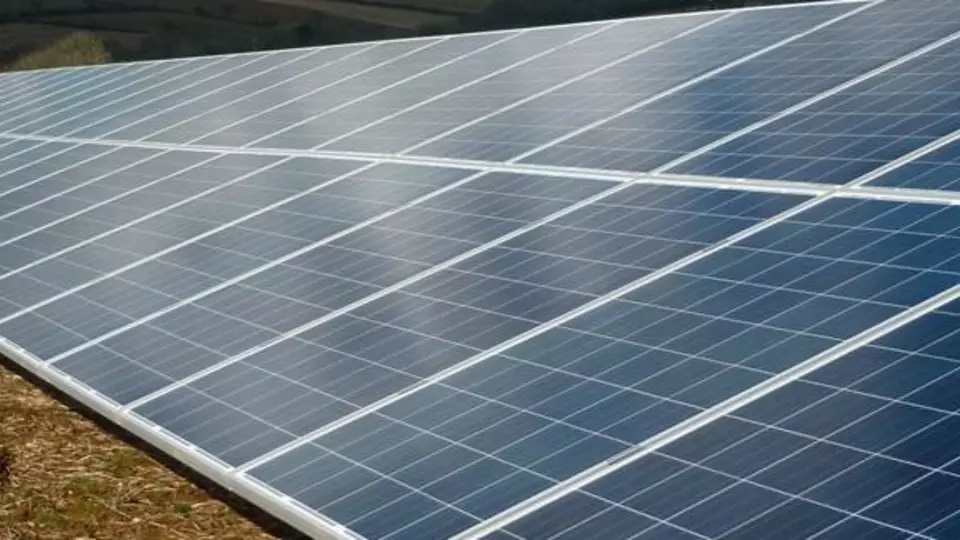
With IoT factoring into so many different industries, it stands to reason it has practical implications for the energy sector. Utility companies use IoT in the form of smart meters and smart thermostats, which communicate back to the grid in real time for increased efficiency. Solar panels are already working with IoT to create an interconnected and renewable future.
Easily and efficiently manage assets
Merging IoT with solar power allows companies to monitor their sites with far more efficiency than ever before. Installing even a simple system would allow solar companies to manage a fully integrated grid while identifying and addressing issues that arise in real time.
IoT products allow solar companies to monitor their assets from one central control panel, thanks to a cloud network connection. The IoT provides a level of intelligence and foresight never before experienced in the power industry. Utility companies with large solar farms could monitor their equipment remotely and, in the event of an issue, determine immediately whether the problem is network or hardware related. Then, it’s a simple matter to dispatch a technician who comes knowing precisely what the issue is, and how to fix it. This saves a lot of time and man-hours ordinarily spent diagnosing and troubleshooting.
IoT also means a lot to the world of preventative maintenance. All too often, problems are missed due to human error, and easily correctable problems become large-scale issues that lead to power outages. But thanks to IoT, system problems can be addressed immediately, before major malfunctions arise.
These devices are seen as the path toward advancing the Smart City concept. A Smart City uses communication and information technology for the purposes of operational efficiency. Utilising IoT devices throughout the energy sector will help improve city connectivity while benefiting utility services and quality of life, simultaneously.
Maximise home energy efficiency
For energy efficient homes, the demand for energy will already be lower than less energy efficient buildings. And with the introduction of solar panel to provide the lower level of energy that is required, this will further help to reduce the money spent on utility bills.
With IoT connectivity, an efficient system becomes hyper-efficient. IoT has already made its way into homes. Thanks to IoT, we can change our thermostat or unlock our doors from a mobile device. But IoT could also work to manage solar power systems, making them smarter and radically more adept at saving you money.
IoT enabled solar power inverters allow the home’s system to take full advantage of periods during the day in which sunlight is most abundant. These devices can be used to power household appliances and store excess energy in a home battery to be used later on.
An IoT solar device helps overcome the single greatest flaw of renewable energy, reliance on the weather. By storing excess energy that you don’t use, the IoT system can draw upon stored power in times of increased cloud cover, ensuring you won’t have to pay for grid-based electricity unless it is absolutely necessary. This is like producing net metering services in your own home.
These smart systems can also detect upcoming weather patterns and prepare your system for potential interruption without you ever knowing. If there is a severe thunderstorm coming into your area, the IoT device will take pre-emptive measures to avoid a blackout by switching from grid power to the home battery.
An uncertain future
Whether or not IoT devices become more integrated into solar systems is still up in the air. There are a number of security concerns, spurned by previous cyber-attacks on major websites that used IoT devices as a jumping off point. Further steps need to be taken to ensure IoT security before large-scale adoption of these devices can be taken seriously in the energy sector.
Through understanding the risks associated with IoT technology we can work toward the advancement of all by developing secure and beneficial interconnected technology that can help to boost renewable energy into the next stage of its development.