
What are the dangers of air pollution?
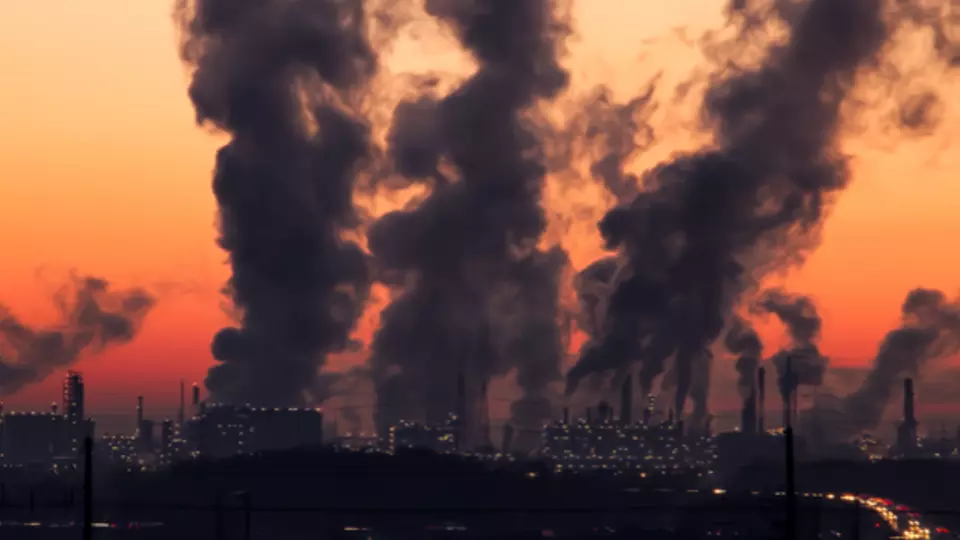
Air pollution is a huge, worldwide issue and most weeks we see yet more reports and research showing just how much of a dangerous problem it is. In the last month alone, we’ve seen stories around how diesel pollution stunts children’s lung growth and how there is an increase of smog air pollution in Northern China after the authorities relaxed air targets. Here we look at the dangers associated with air pollution and what we can do to resolve the issue.
What are the dangers of air pollution?
According to the World Health Organization (WHO), nine out of ten people breathe polluted air. Air pollution kills seven million people each year, and one third of deaths from heart disease, lung cancer and stroke are a result of air pollution.
Children are particularly at risk from air pollution. Up to 14% of children aged between five and 18 around the world have asthma relating to air pollution, and it’s also linked to childhood cancers. Every year, 543,000 children younger than five-years-old die from respiratory disease linked to air pollution, and the dangers associated with polluted air are also linked to cognitive impairments.
What types of air pollution are there?
We may associate air pollution with fumes from vehicles and factories, but there are a number of other causes too.
Air pollution can be split into two main types – outdoor, also known as ‘ambient air pollution’, and indoor, sometimes referred to as ‘household’.
The main pollutants include:
- A mix of solid and liquid droplets, which come from fuel combustion and road traffic
- Nitrogen dioxide from road traffic, as well as indoor gas cookers
- Sulphur dioxide, which is produced when burning fossil fuels
- A reaction between sunlight with pollutants from vehicle emissions
Looking more specifically at the pollutants we find in our homes, three billion people cook and heat their homes using fuels such as wood, coal and kerosene, which give off pollutants. According to WHO, around 3.8 million people die each year from household air pollution. Smoke is a big danger, but there are other sources of indoor air pollutants too, including mould and some household cleaning products.
How do we tackle air pollution?
Because air pollution is such a huge issue, governments around the world are putting in place ambitious targets and measures to combat it.
Some cities such as Paris and Madrid have plans to ban diesel cars by 2025, while other cities – such as Oslo – are going even further by banning all cars from the city centre.
In the UK, the Government’s Clean Air Strategy 2018 outlines a number of ambitious steps to reduce air pollution, including:
- Ending the sale of new conventional petrol and diesel cars and vans by 2040. The report states: “We will position the UK as the best place in the world to develop, manufacture and use zero exhaust emissions vehicles and, during the transition, we will ensure that the cleanest conventional vehicles are driven on our roads.”
- Reducing emissions from rail and reduce passenger and worker exposure to air pollution
- Creating air quality strategies for all major English ports to reduce emissions
- Introducing legislation to prohibit the sale of the most polluting fuels in the home
- Rules to make sure only the cleanest stoves are available for sale by 2022
- Providing a national code of good agricultural practice to control ammonia emissions from the farming industry
But such actions are big, ambitious and will take years of planning and implementation. So, what can individuals do on a day-to-day basis to protect themselves?
How can we limit how much polluted air we breathe in?
There are a number of steps that we can take in our daily lives to help reduce the amount of air pollution we breathe in:
- Avoid walking, running or exercising near busy roads wherever possible
- Avoid traffic jams and other congested routes when travelling in the car
- Take public transport or car share, if possible
- Don’t burn waste (including garden waste) and reduce the amount of wood or other fuels you burn
- Use environmentally safe paints and cleaning products
There are also ways we can enhance our indoor air comfort at home too by making sure we have fresh air supply, remove internal pollutants and control odours.
Ventilation – whether through opening windows or from mechanical means – is important. There are also systems available which can purify the air that comes into our homes by removing harmful particulates. When our homes are being built, or if we’re doing any improvement works, we should try and use building materials that help to minimise CO2 and reduce harmful volatile organic compounds (also known as VOC) from our indoor air.
There is a lot of work we all need to do to improve outdoor and indoor air quality. While a lot of the measures that governments around the world are taking are big and ambitious, there are smaller changes we can all make in our daily lives to help reduce the amount of pollutants we create, as well as the amount of polluted air we breathe in.