
How design and construction can reduce thermal bridging
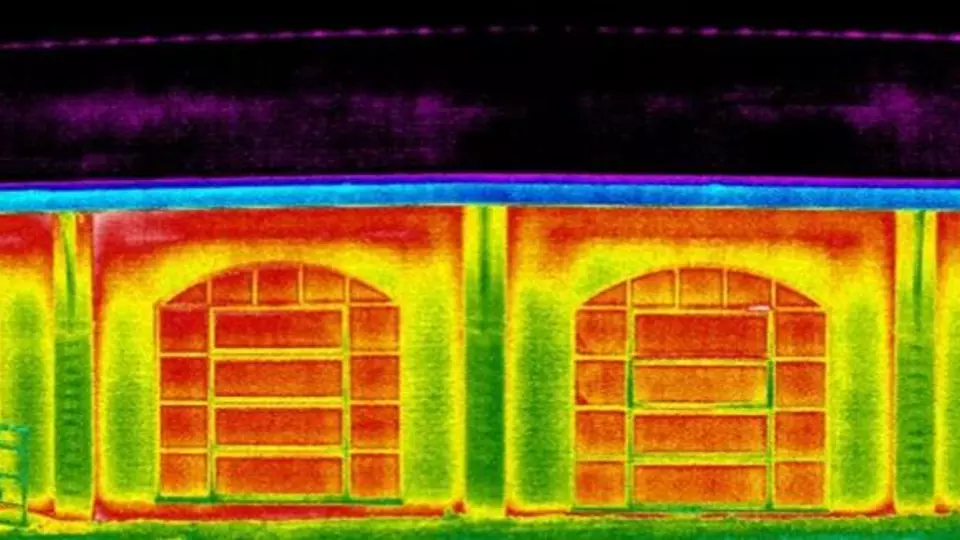
To create a thermally comfortable home which also protects the wellbeing of the occupant, careful consideration of both design and installation of thermal bridges is required. Here we look at what thermal bridges are, what impact they can have and how you can prevent them.
What is a thermal bridge?
A thermal bridge, or thermal bridging, occurs when the building fabric has a higher heat transfer than the adjacent parts of the building fabric or surrounding materials. A thermal bridge could occur, for example, if the insulation is penetrated by another material which has higher thermal conductivity – e.g. wall ties, lintels and openings.
Why are thermal bridges a problem?
Thermal bridges can have a big impact on the thermal comfort of a building and if designed or installed poorly can have a negative impact on the wellbeing of the building user. As dwellings become better insulated and more airtight due to the introduction of more stringent legislation and energy awareness, the consequential effect of thermal bridging becomes more important.
Studies suggest that poor thermal bridging can account for up to 30% of a building’s heat loss[i]. However aside from building energy efficiency, on a physiological level significant thermal bridging can result in poor continuity of envelope surface temperature which can be perceived by users as a source of discomfort. Lower surface temperature in relation to surrounding elements can cause thermal comfort issues due to the perception of radiative cold point in elements, cold draughts and an overall feeling of asymmetric surface temperatures.
On a health and wellbeing front, the presence of thermal bridging resulting in the surface temperature dropping below a point known as the critical temperature factor can result in the conditions favourable for mould growth due to the presence of surface condensation. Visible surface condensation starts at a relative humidity of 100% however the limiting relative humidity resulting in potential mould growth is above 75% with nearly all species of mould capable of growing at a relative humidity of 80%.
The presence of mould isn’t only an unsightly issue it can have a significant effect on indoor-air quality and consequently health – causing allergic reactions, asthma and other respiratory illnesses. More information on this can be found in the recently completed report by the UK centre for Moisture in Buildings (UKCMB) – “Moisture-Related Health Outcomes Associated with Buildings: Implications for UK policy and professional practice”, sponsored by Saint-Gobain.
How can we prevent thermal bridges?
Thermal bridges exist in all buildings, but one of the aims of the Multi Comfort concept is for buildings to be designed and constructed in such a way as to minimise the risks associated with end users thermal comfort and health and wellbeing.
Typically, thermal bridges tend to be found where different building elements meet or openings occur – a detailed summary of these can be found in SAP Appendix K1.
In order to assess the impact of a thermal bridge consideration needs to be given to a number of site specific variables such as but not exclusively, element U-values type of bridge, material performance, constructing type. Considering the holistic thermal design enables designers to understand performance levels required from bridging in order to remove risk and either use “off the shelf” detailing such as Accredited Construction Details (ACDs), or design specific bespoke detailing where required.
You can find out more about thermal bridges and other key design considerations when creating a Multi Comfort building here.
[i] https://www.bre.co.uk/certifiedthermalproducts/page.jsp?id=3073