The Home Energy Model (HEM) is the UK Government's next-generation methodology for assessing the energy performance of domestic buildings. It replaces SAP with a half-hourly dynamic simulation of energy use, carbon emissions, and running costs. SAP was first introduced in 1993 and last updated in 2012, making it an outdated tool — particularly as the methodology now needs to drive the property sector toward decarbonisation.
HEM introduces several significant improvements over SAP. These include half-hour energy modelling intervals (compared to SAP's monthly averages), thermal zoning for detail
The standard covers more than just residential properties. The Future Homes Standard (FHS) applies to new homes, while the Future Buildings Standard (FBS) applies to non-domestic buildings in England — both are designed to ensure high levels of energy efficiency and the use of low-carbon heating systems.
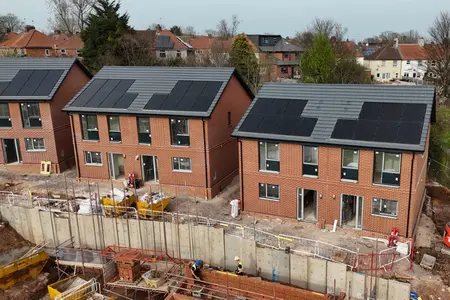
All new residential and non-domestic buildings will be subject to a legal requirement for renewable electricity generation, including the installation of solar panels equivalent to 40% of each dwelling's or building's ground-floor area, with some exemptions for buildings over 18 metres in heig
The FHS is primarily focused on new build homes. However, it also applies to properties undergoing significant renovations or extensions — when an existing home or building is retrofitted with an extension or major improvements, those works will need to comply with the same energy performance standards as new builds.
A fabric-first approach means designing out heat loss through walls, floors, roofs, and openings before relying on mechanical or renewable systems to compensate.Under the FHS, compliance is assessed holistically using the new Home Energy Model (HEM), a well-performing fabric reduces the demand on heating systems and improves overall comfort and running costs.