The Internet of Things (IoT) has been making waves in the technology sector for a few years now. IoT enabled devices allow us to build toward the creation of a ‘smarter’ society. Many believe that connecting everyday items through the internet for real-time communication is the wave of the future.
Everything in our lives is the built environment – where we live, work, learn, shop, get our entertainment. As well as the buildings we spend time in, it’s also the space in between these places – how we get from A to B and interact with the world around us.
The generation born between 1981 and 1996 – dubbed Millennials – have been the focus of many media reports over recent years, particularly when it comes to housing
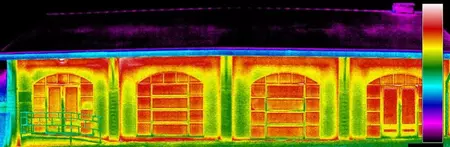
To create a thermally comfortable home which also protects the wellbeing of the occupant, careful consideration of both design and installation of thermal bridges is required. Here we look at what thermal bridges are, what impact they can have and how you can prevent them.
When we think about heat loss in the home, we immediately think of walls and roofs as the main problem areas. And while these can account for up to 40% and 25% of heat loss respectively, they’re not the only culprits.
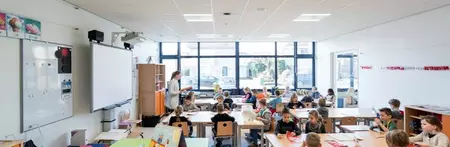
It’s a simple equation: improved acoustics = greater sense of inclusion + attainment.An optimal sound environment is a basic necessity if all students are to learn effectively. Modern teaching practices put greater emphasis on group communication and collaboration which often increases the overall noise level. When the sound environment provides the best possible support for students and teachers, it will improve comfort, focus and the quality of teaching and learning.
Professor Kevin Lomas of Loughborough University has warned that the UK is facing a public health disaster if the issue of overheating in homes is not tackled.